How the Green and White Rivers Reach Auburn Homes
Two dammed rivers, one valley floor, and the places that have taken water.
AUBURN, WASHINGTON · KING & PIERCE COUNTY
Water through a ceiling, a soaked carpet, a basement with an inch on the floor, or river water at the door. Auburn restoration companies: (253) 338-5837.
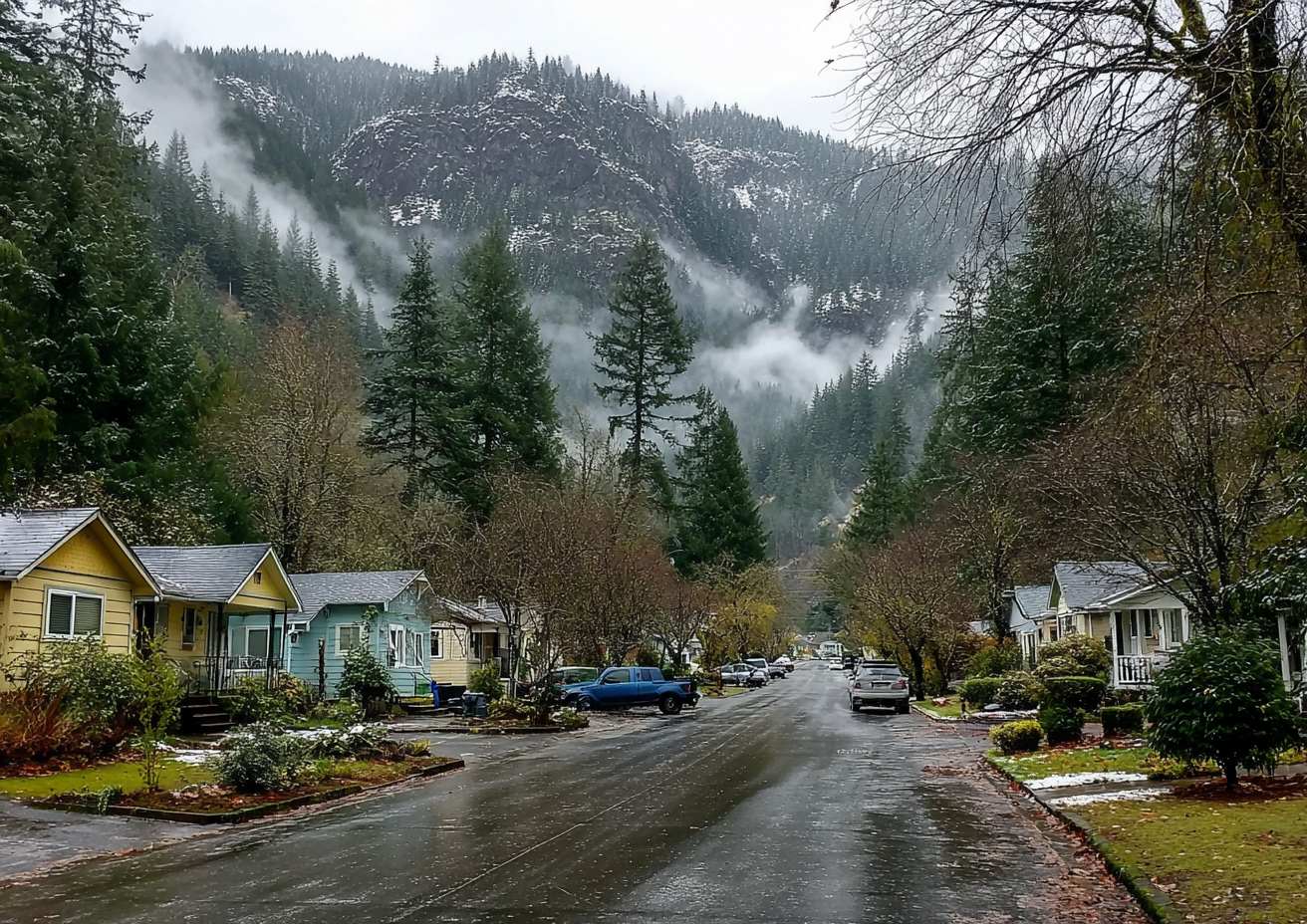
Water damage restoration in Auburn usually starts at one level of the house. A roof gives way in a long rain, an upstairs bathroom leaks into the room below, a floor soaks up a burst line, a basement or crawlspace takes on water, or the Green or White River pushes surface water toward the doors. Restoration companies handle mitigation, extraction, drying and repair. Water in the house? (253) 338-5837.
This page is laid out the way water moves: down. Find the level where you see the problem, read what it usually means, and call. If water shows up on more than one level, it almost always started at the highest one.
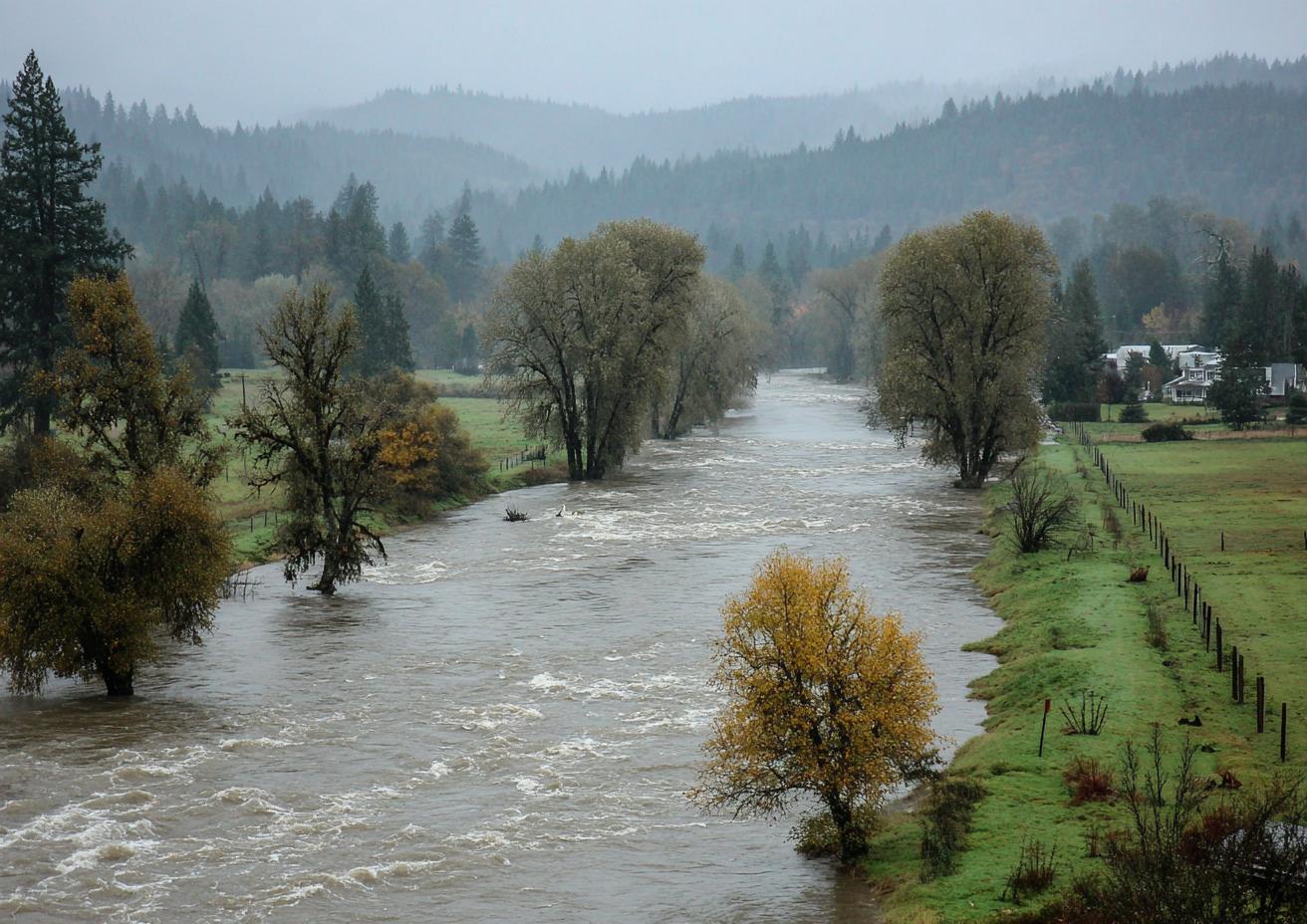
Auburn sits on a valley floor between two rivers, and both are held back by dams upstream. Most years that works. In heavy winter rain, both rivers can still come up into roads and neighborhoods.
| Green River | White River | |
|---|---|---|
| Dam upstream | Howard Hanson Dam | Mud Mountain Dam |
| Where it runs | Along the north and west side of Auburn, toward the valley north of the city | Through south Auburn toward Pacific and Sumner |
| Places near it | North Auburn, Lea Hill below the bluff, Black Diamond upstream | Pacific, Algona, Sumner, south Auburn |
| What high water looks like | Closed roads such as Green River Road, water across low streets near the river | Water against the levees; a levee failure in Pacific once flooded more than 200 homes |
| Where to check levels | King County's flood warning information and the City of Auburn | The City of Auburn, Pierce County and the City of Pacific |
The Army Corps of Engineers manages releases from both dams. A release in heavy rain can raise the river for a day or more after the rain itself eases. Read how the Green and White rivers reach Auburn homes, what dam releases mean for your house and what sandbags and barriers protect.
Auburn's homes split by elevation, and so do the places water starts.
| Kind of house | Where water usually starts | What gets wet first |
|---|---|---|
| Older homes on the valley floor | Under the house, from groundwater, a supply line or river water | The crawlspace, its vapor barrier and insulation, then the subfloor |
| Split-levels on the plateaus | A daylight basement on the downhill side, or a lower-level bathroom | Carpet, laminate and the bottom of the drywall in the lower level |
| Two-story subdivisions on Lea Hill and Lakeland Hills | An upstairs bathroom or laundry room, a supply line behind a wall | The ceiling below, then the flooring in that room |
Most jobs use all five. A single call covers the whole job. More: water damage restoration and mitigation.
None of this has to be exact. It helps the company that takes the call plan what to bring.
Federal Way, North Auburn and the valley floor have a lot of rentals. If you rent, tell the owner or property manager about any leak in writing and send photos. The owner arranges work on the building, and a renters policy, if you have one, usually covers your belongings. If you own the rental, the order is the same as for your own house: stop the water, get it out, dry it with readings, keep the records.
Auburn is mostly in King County, with Lakeland Hills and a strip of the south end in Pierce County. The towns around it split the same way. Federal Way, Black Diamond, Algona and Enumclaw are King County. Sumner, Bonney Lake, Lake Tapps, Edgewood and Puyallup are Pierce. Pacific and Milton straddle the county line. The county matters for river warnings and permits, not for the call. The same number works on both sides of the line, and the restoration companies that take Auburn jobs take jobs in all of these places.
Auburn
Green
White
West
Two dammed rivers, one valley floor, and the places that have taken water.
Why the lower level of a hillside house takes the water.
The factors behind the bill, without prices.

